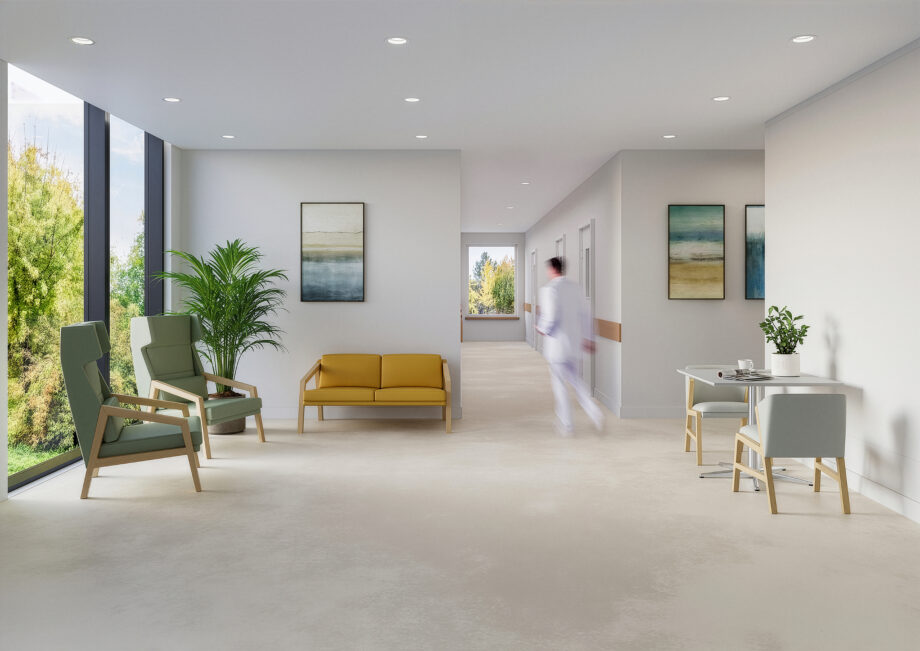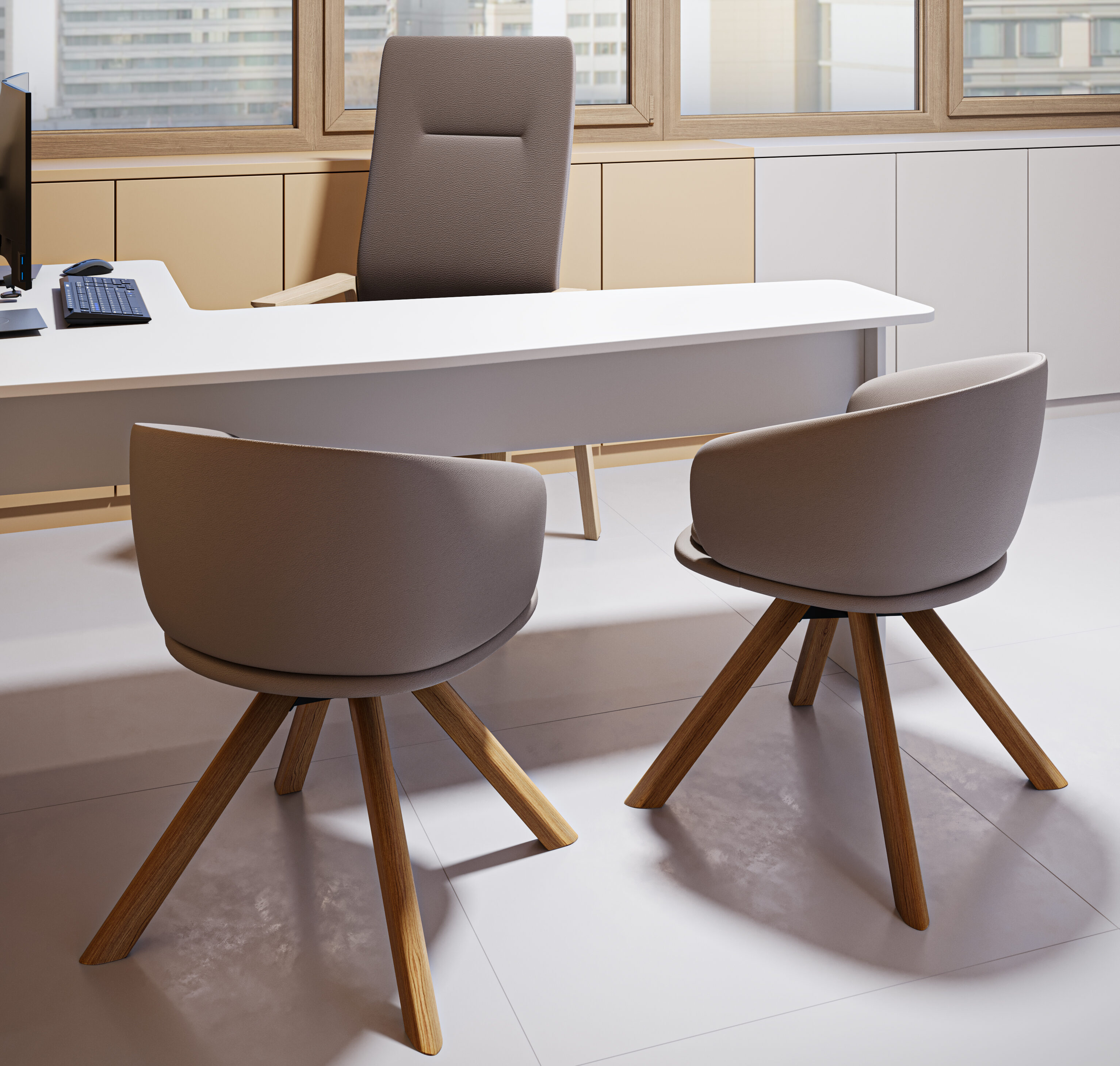
Two chairs can perform the same basic function and look completely different. One feels light and architectural. Another feels soft and generous. One is defined by straight lines and visible structure; another by curves and upholstery. We recognize those differences immediately, even if we don’t consciously identify what creates them. So what actually gives a chair its character?Usually, it isn’t one defining feature. It’s the relationship between a series of smaller design decisions.
Start with the silhouette
Before materials, upholstery or finishes are considered, the outline of a chair has already said a great deal. A high back creates a different presence from a low, open profile. Angular forms can feel structured and architectural, while softer curves create a very different visual impression. Even from across a room, silhouette is often what makes a piece recognizable. It also determines how much visual space the chair occupies. A generously proportioned lounge chair can act as a focal point. A more restrained profile can sit quietly within a wider scheme. Neither approach is inherently better. They simply give the furniture a different role within the room.
Proportion changes everything
Small changes in proportion can have a surprisingly large effect. The relationship between the width of the seat and the height of the back. The thickness of an arm. The amount of space beneath the frame. The point at which a leg meets the body of the chair. Change one of those relationships and the entire piece can begin to feel different. This is part of what makes furniture design deceptively complex. A chair is made from relatively familiar components, but there are almost endless ways to balance them. Good proportion rarely draws attention to itself. More often, it is what makes a design feel resolved without immediately revealing why.
Arms do more than frame the seat
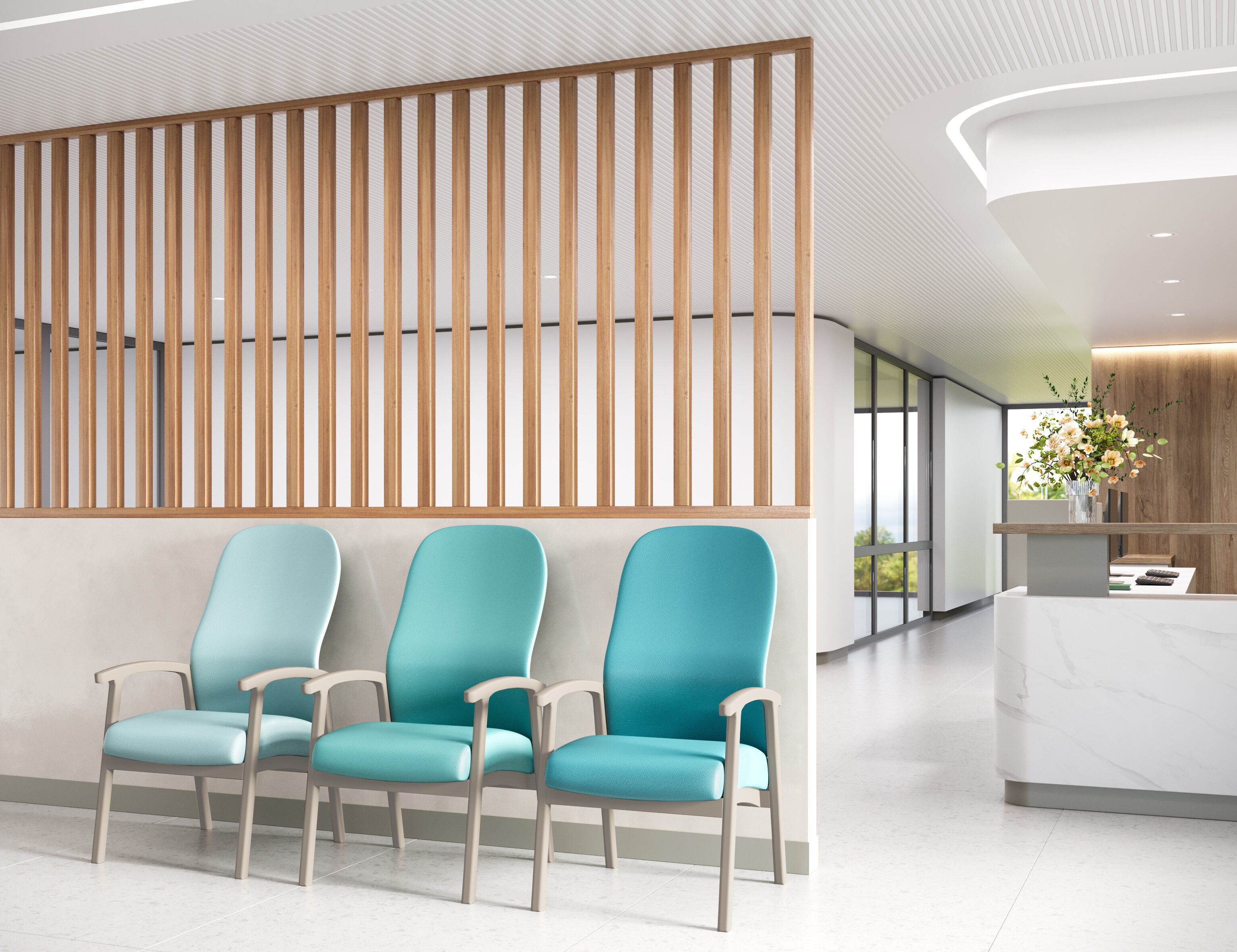
Arms are particularly influential in defining a chair’s identity. They might continue directly into the back, creating one continuous form. They might sit separately from the upholstered body and expose more of the frame. They can be broad and substantial or narrow and understated. Each approach changes the visual weight of the chair. The same is true of the relationship between the arm and seat. A deeply upholstered seat contained within a substantial frame creates a different impression from a lighter seat suspended between slender arms. These details are often where a design begins to develop a recognizable personality.
Legs can change the entire expression
The supporting structure beneath a chair may occupy relatively little physical space, but visually it can transform the design. Tapered timber legs can give an upholstered chair a lighter profile. Turned wood introduces another layer of detail. A more angular frame can become part of the chair’s defining geometry rather than disappearing beneath it. The transition between upholstery and frame matters too. Where one material ends and another begins creates lines within the design, and those lines influence how we read its proportions.
Then come the materials
Material choices add another dimension. Timber introduces grain, variation and warmth. Upholstery can emphasize a chair’s shape or soften it. Texture changes how light moves across a surface and can make the same form appear quite different. Color adds another opportunity to change the expression of a piece without changing its underlying design. This is why the same chair can take on very different personalities depending on its specification. The design establishes the character. Materials allow that character to be interpreted.
Recognizable doesn’t have to mean identical
For a furniture manufacturer, there is another challenge. How do you develop a recognizable point of view without making every product look the same? There doesn’t need to be one silhouette, one leg style or one repeated detail. A collection of furniture can include angular pieces alongside softer ones, substantial forms alongside lighter profiles and familiar influences alongside more contemporary expressions. What connects them can be broader: attention to proportion, materials, construction and detail. That allows individual pieces to have their own identity while still belonging comfortably within the same wider portfolio.
The details create the whole
Furniture is often described in broad terms: contemporary, traditional, minimal, residential, architectural. But those labels only describe the finished impression. The character itself comes from somewhere much more specific. A curve. An angle. The thickness of an arm. The taper of a leg. The point where timber meets upholstery. Individually, they can seem like very small decisions. Together, they’re what make a chair recognizable.